

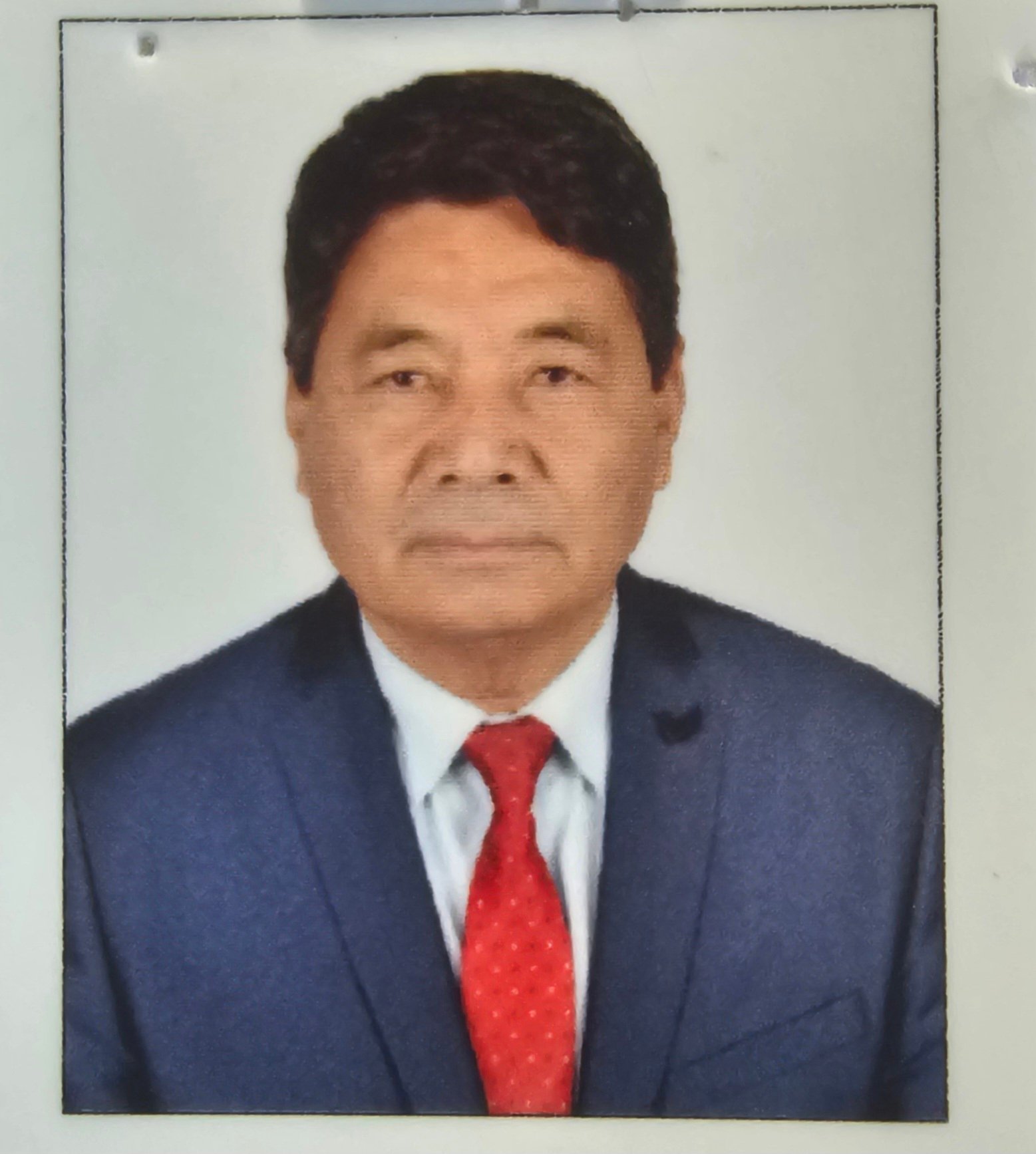
K. Timothy Zimik, retired Principal Chief Commissioner of Income Tax, has issued a strong and detailed statement condemning the killing of two civilians—Chinaoshang Shokwungnao of Tashar village and Yaruingam Vashum of Kharasom CV village—who were allegedly killed by Kuki armed militants at TM Kasom along the Imphal–Ukhrul NH-202 on April 18, 2026.
Expressing his strongest condemnation, Zimik described the perpetrators as “murderers of innocent Nagas” and conveyed his heartfelt condolences to the bereaved families. He prayed for divine comfort and strength for the victims’ families in this time of grief.
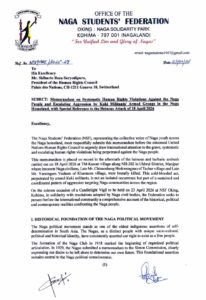
In his statement, Zimik reiterated concerns earlier submitted in a memorandum dated April 4, 2026, to the Governor, Chief Minister, and Home Minister of Manipur. He highlighted what he termed as the “unchecked influx” of Kuki-Chin illegal immigrants from Myanmar, alleging that this has been a root cause of prolonged ethnic tensions between Nagas and Kukis.
He further claimed that such migration has historically led to land encroachments and violent conflicts, citing multiple instances of alleged massacres of Naga villagers across different locations and periods. According to the statement, these incidents include large-scale killings in villages such as Chingsow, Chingjaroi, Makoi, Kharam, and others, spanning from the late 19th century to the early 20th century, as well as additional reported killings in several Naga villages.
Zimik also referred to the Naga-Kuki conflict of 1993–1997 and the ongoing Meitei-Kuki tensions, alleging that these conflicts were initiated by Kuki groups. He claimed that the recent killing of the two civilians and the continued attacks on Sinakeithei village since April 7, 2026, represent an escalation and described them as acts tantamount to a “declaration of war.”
The statement accused armed groups of carrying out sustained attacks using advanced weapons, including drones with thermal vision, long-range sniper rifles, assault weapons, and explosives. Zimik further alleged that these groups operate with “impunity” due to financial and military support from authorities, a claim he said has contributed to the worsening situation.
He criticized the Suspension of Operations (SoO) agreement, calling it a “licence to kill” and one of the root causes of the ongoing crisis. According to him, the SoO camps are strategically positioned and the ground rules inadequately enforced, thereby enabling armed groups to continue their activities unchecked.
The statement also alleged incidents of attacks, kidnappings, intimidation, and violence against civilians in multiple locations, including Litan, Thoyee, Ereng, Sinakeithei, Shangkai, Sharkaphung, Kamjong Headquarters, and T. Khullen.
Zimik further claimed that the presence and actions of armed groups have led to growing anger among Naga communities, particularly the youth, and warned of potential escalation if the situation is not addressed promptly.
He asserted that illegal immigration from Myanmar must be addressed under existing laws and alleged that certain groups aim to establish a separate homeland within Manipur, which he said is being resisted by indigenous communities.
Key Demands Raised:
- Immediate deployment of security forces to drive out armed militants from affected areas, particularly Sinakeithei village, and ensure safety for residents.
- Measures to stop fresh illegal immigration from Myanmar and detection and deportation of undocumented immigrants under relevant laws.
- Withdrawal of alleged support and protection to armed groups.
- Abrogation of the Suspension of Operations (SoO) agreement.
- Disarmament of all heavily armed groups.
- Ensuring free and safe movement on all highways and connecting roads across the state.
In conclusion, Zimik called for urgent and decisive action by both the State and Central governments to restore peace and security. He emphasized the need to protect innocent civilians and prevent further escalation of violence in the region.
The statement ended with a strong appeal for safeguarding the rights and security of indigenous people while ensuring long-term stability in Manipur.






 Users Today : 57
 Total Users : 98639