
By Vils Ningshen
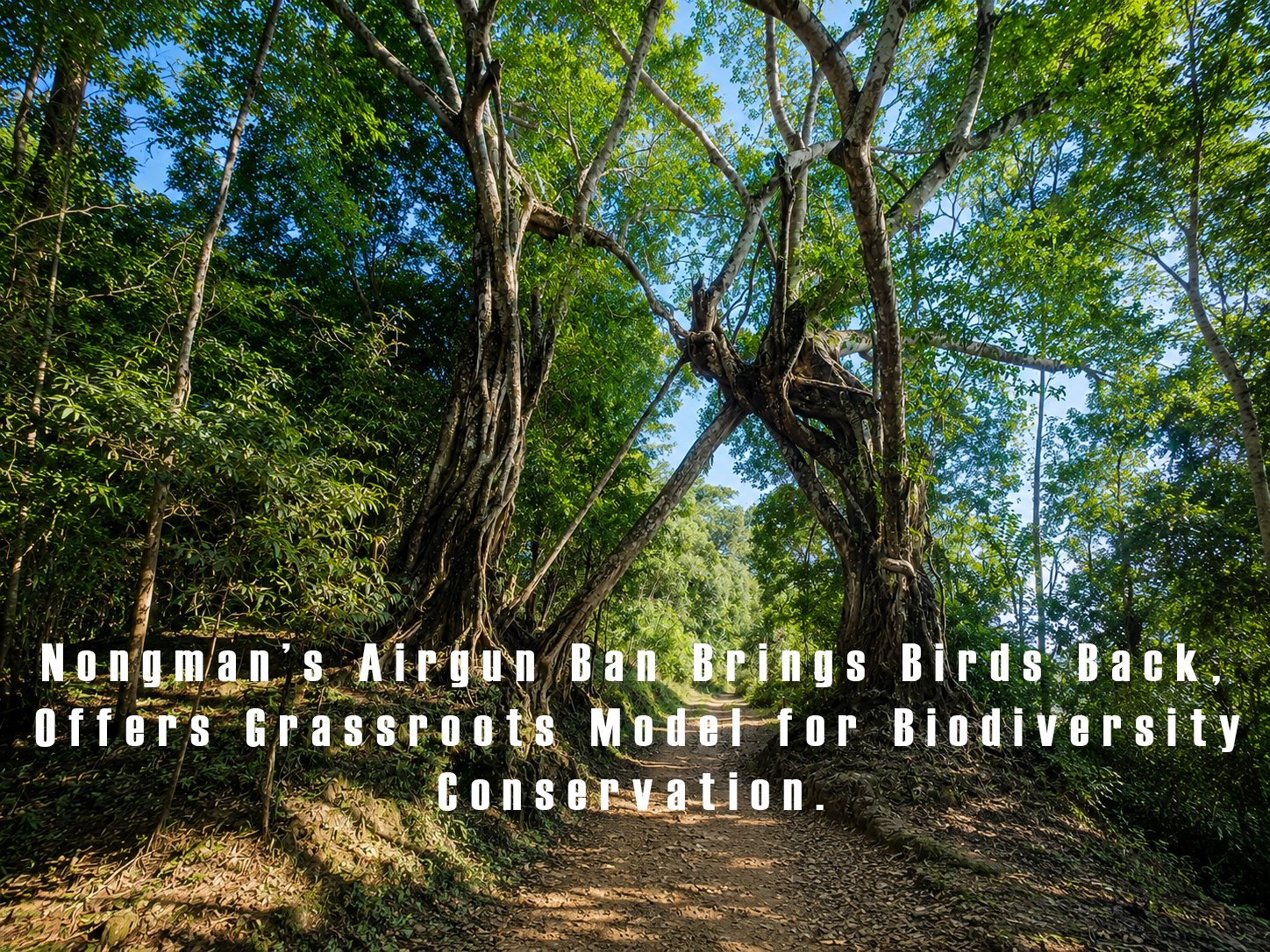
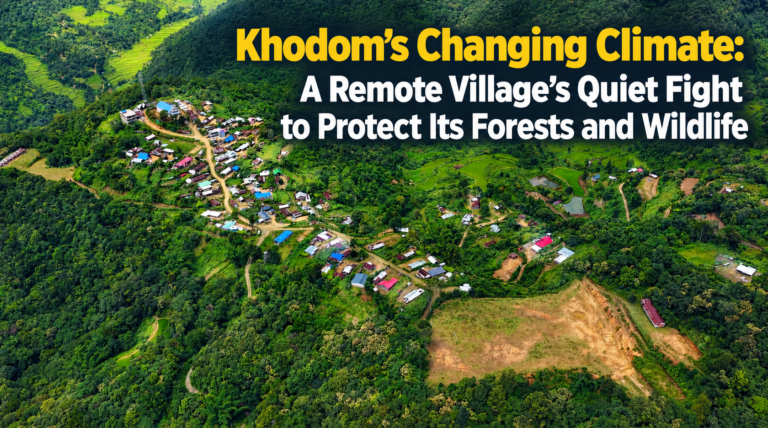
NONGMAN, Manipur | August 2026: What began as a village-level effort to stop indiscriminate hunting in Nongman has evolved into a wider community movement to restore biodiversity, protect the local ecosystem and strengthen the village’s resilience to environmental change.
At the heart of the initiative is a simple decision: ban airguns and allow wildlife to return.
The Nongman village authority resolved to prohibit the use of airguns within the village jurisdiction after residents witnessed a sharp decline in birds and small wildlife. Those violating the resolution face a ₹10,000 village-imposed penalty, along with action under customary law and village regulations.
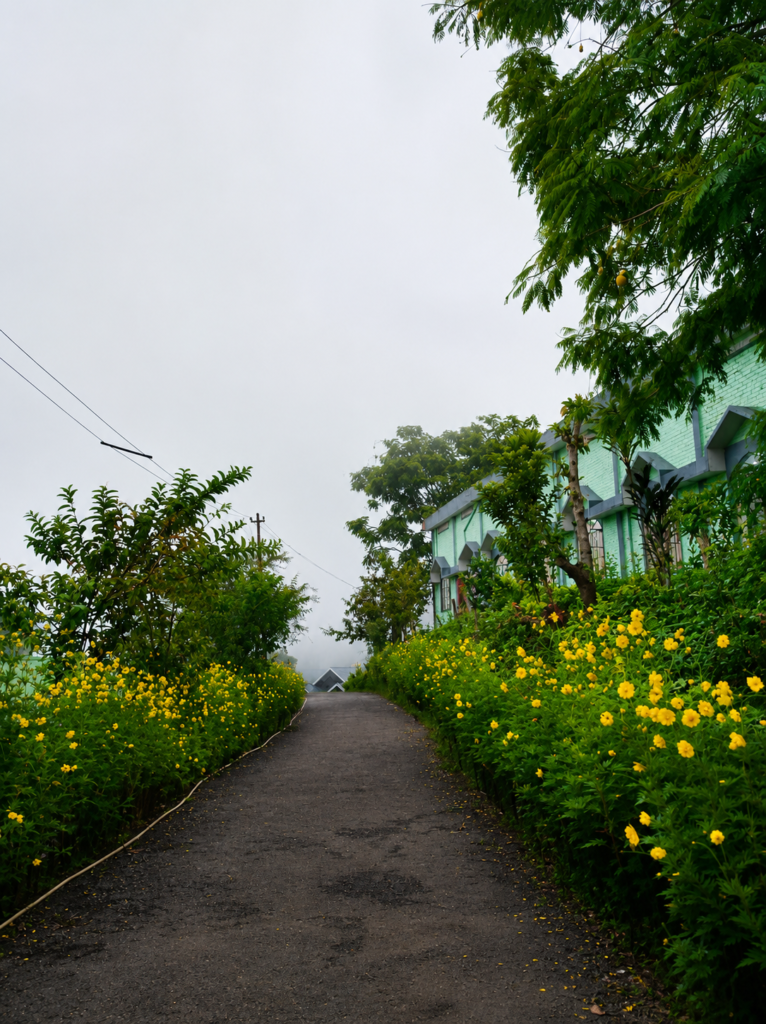
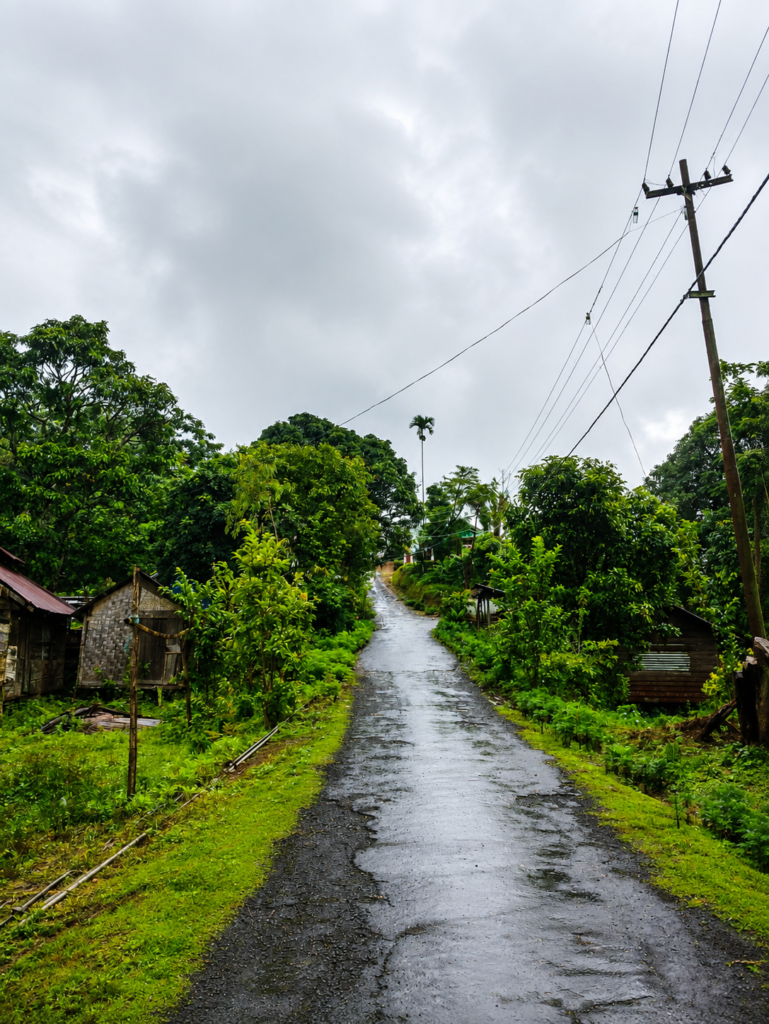
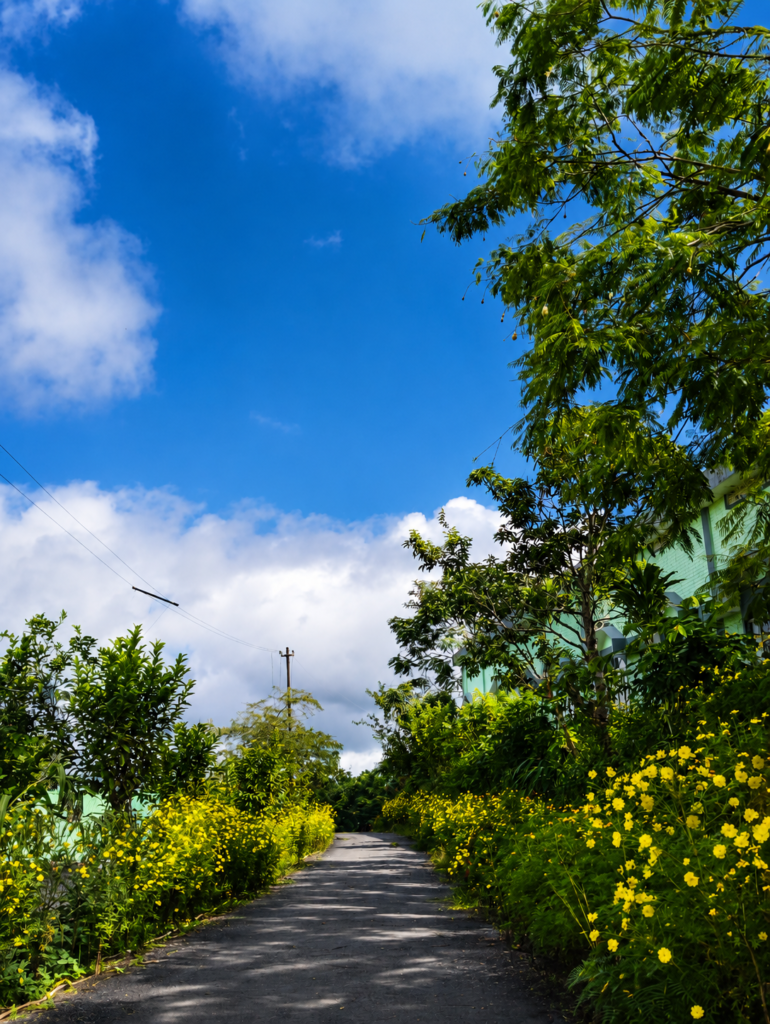
For residents, the results are becoming increasingly visible.
Birdsong, once a familiar part of everyday life, had gradually disappeared from many parts of the village as hunting intensified. Today, villagers say birds are once again returning to compounds, fruit trees and residential areas.
For Ishmael Sareo,74, Headman of Nongman Village, the change brings back memories of his childhood.
“During my childhood, there was a big wild fruit tree in the backyard of Masating Ramshang. Every evening, whenever I saw that tree, there were hundreds of birds eating the fruits and singing with joy. Whenever I recall that moment, it makes me emotional because that time was very precious.”
Sareo said the relationship between people and wildlife had changed significantly over generations.
“Our forefathers were very polite. They used to live with animals. But in our generation, we started hunting like anything even for a single bird.”
The problem became particularly serious during the banyan-fig fruiting season, when birds gathered in large numbers and hunters used airguns to target them.
The result, he recalled, was a disturbing silence.
“Our village became very silent. We could not even hear the birds singing. So we took a decision that we have to do something about it. We discussed the issue and passed a resolution to ban airguns in our village.”
Today, visitors are beginning to notice the difference.
“Now whoever visits our village, they roam around and hear the singing of birds. They say, ‘We have not heard this kind of sound for so long.’ It makes us feel fresh and connected with nature.”
The decline in wildlife was not caused by airguns alone. Nongman residents say the community had already attempted to control hunting practices before airguns became widespread.
Mo Samuel Kashea, 65, a senior citizen of Nongman, recalled that the village youth passed a resolution in 2010 prohibiting the use of catapults.
“In 2010, the Nongman youth took a resolution not to use catapults inside the village. But it did not work. After two or three years, in 2014, airguns were introduced in our village.”
According to Kashea, the introduction of more accurate airguns increased hunting pressure considerably, particularly during the banyan-fig season.
“During the banyan-fig season, many birds were killed. Earlier, people often missed their targets, but after scopes came with airguns, they hardly missed. During the season, one hunter could hunt 30 to 40 birds a day.”
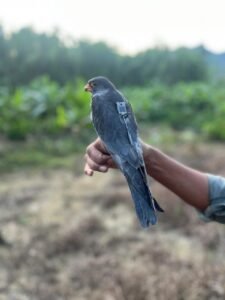
Among the birds affected, he particularly remembered the red-vented bulbul, once commonly seen around the village.
“We could hardly see the red-vented bulbul, which was once very common. We did not even hear the birds singing. After that, the village authority decided to ban airguns to save the birds as well as our nature.”
The difference is now being felt in everyday life.
“Now, at my gate, I see sparrows and Sunbirds (masaika in local dialect). Whenever I wake up in the morning, it makes me feel fresh.”
For Maiphai Ramshang, 66, the change represents more than the return of birds. It reflects the gradual loss of a relationship between people and the natural environment.
“I want to share how our land was before and how it is now. Before, there were lots of animals and birds in our village. During my childhood, my parents often told us about the past, and we ourselves witnessed a time when there were many birds.”
He said wildlife once lived close to people, with birds nesting and feeding around fruit trees near homes.
“Once we were living with wildlife, but now they have gone far from us or we killed them.”
The experience of Nongman illustrates how quickly local biodiversity can decline when hunting pressure increases. It also shows that community action can create an opportunity for recovery.
Birds play important roles in healthy ecosystems. Depending on the species, they can help disperse seeds, pollinate plants and regulate insects. These ecological functions contribute to the health of forests, fruit trees and agricultural landscapes.
For rural communities already facing changing weather patterns, erratic rainfall and other environmental pressures, maintaining healthy ecosystems can also strengthen local resilience.
Nongman’s younger generation has emerged as an important supporter of the ban.
Leipan Ramshang, 35, a youth representative of Nongman, said indiscriminate hunting affects not only wildlife but also agriculture.
“Airguns are very harmful. We kill birds, but birds help control worms and insects that affect plants such as perkia (yongjak), orange and lemon trees. They also help in pollination.”
He said the difference after approximately two years of the ban is increasingly noticeable.
“There was a time when we could not see birds in our compounds. Now we hear and see birds again in our village compounds.”
For Nongman’s youth, the initiative is therefore about more than prohibiting airguns. It is about changing attitudes toward wildlife and ensuring that younger generations understand their responsibility to protect the environment.
Nongman’s experience demonstrates the potential of traditional community institutions in addressing modern environmental challenges.
The village did not wait for a large conservation programme or outside intervention. Residents identified a problem, discussed it collectively, adopted a village resolution and continued enforcing it.
The approach is straightforward: reduce hunting pressure, protect wildlife and allow nature to recover.
The initiative also carries wider implications for climate resilience. Healthy forests and functioning ecosystems can help retain water, protect soil, support vegetation and sustain agricultural landscapes. Protecting biodiversity therefore strengthens the natural systems on which rural communities depend.
This does not mean a village airgun ban can stop climate change. Rather, it demonstrates how protecting local ecosystems can form part of a community’s broader adaptation to environmental change.
For Nongman’s residents, the return of birds is more than an environmental statistic. It is something they can hear every morning.
The village now hopes its experience will encourage neighbouring communities to take similar steps.
The Headman has appealed to surrounding villages to come together and restrict the use of airguns in their own communities.
“Let us protect our environment before it is too late. Our forests, birds and wildlife are not only a part of nature, they are our heritage and our responsibility. If we do not protect them today, our children may grow up without ever seeing the wildlife that we see today.”
He urged communities to begin with practical action at the local level.
“It is never too late to make a change. Let us begin where we stand. Let us stop what is harming our environment and start protecting what truly belongs to all of us.”
“Nongman Village has taken the first step. Now, let every neighbouring village join us. Together, we can protect our forests, save our wildlife and leave behind a healthier and greener future for the generations to come.”
Nongman’s airgun ban is ultimately a story about community responsibility and the possibility of ecological recovery.
Within a single generation, residents say they watched birds disappear from their surroundings. Now, after collective action, they are hearing their songs again.
The village’s experience suggests that conservation does not always begin with a major government project, a large budget or an outside organisation. Sometimes it begins with a community recognising that something precious is being lost—and deciding to stop the damage.
The next step could be broader conservation measures: protecting nesting areas, preserving fruit-bearing trees, safeguarding water sources, reducing hunting and educating children about biodiversity.
For Nongman, however, the first step has already been taken.
The return of birds to village compounds may seem small, but it represents the restoration of something much bigger—the relationship between people and nature.
And the message from Nongman is clear:
Let us not wait until everything is gone. Let us act today. Let us protect our environment together.
This report is produced under the joint initiative of the Media Resource Centre (MRC), Directorate of Environment & Climate Change (DE&CC), and Ukhrul District Working Journalists’ Association (UDWJA).








 Users Today : 80
 Total Users : 98430